

Wood Rot vs. Paint Failure: How to Tell the Difference
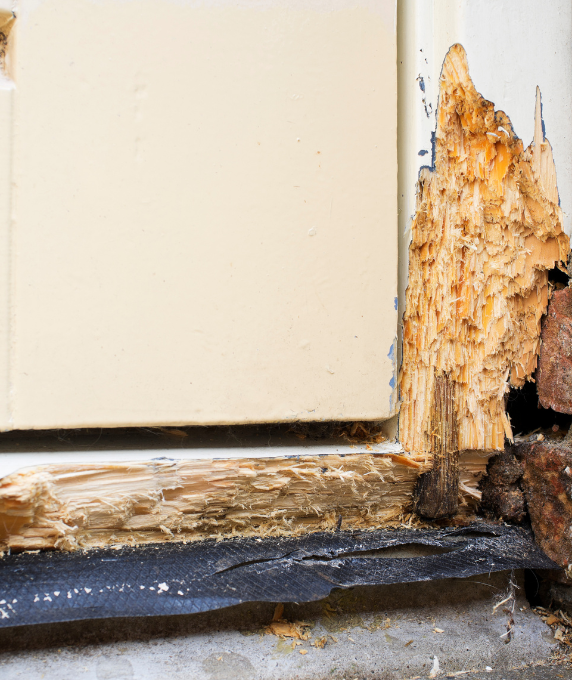

Peeling paint, bubbling and cracked trim do not always mean the same thing. Sometimes the coating itself has failed; other times moisture has damaged the wood beneath it. Knowing the difference helps homeowners choose the right repair rather than repeatedly painting over a deeper problem.
What paint failure looks like
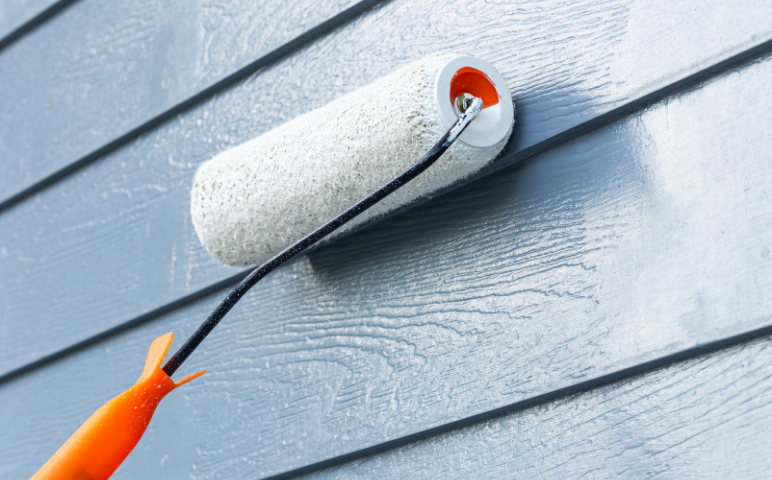
Coating failure happens when paint loses adhesion or breaks down from age, weather, inadequate preparation, trapped moisture or incompatible products. Common clues include flaking, chalking, fading, fine cracks and isolated blisters. If the wood beneath is still firm and dry, appropriate preparation and repainting may be sufficient.
What wood rot means
Wood-decay fungi thrive where moisture persists. Unlike surface-level coating wear, rot damages the wood itself. Window trim, fascia, door frames, deck components, siding joints and areas with failed caulk are common trouble spots in Oregon's damp climate.
Signs of deeper damage
- Wood feels soft, spongy or crumbly.
- Trim is swollen, distorted or separating at joints.
- Paint repeatedly bubbles in the same location.
- Dark staining or persistent dampness appears.
- Wood breaks apart or a tool penetrates unusually easily.
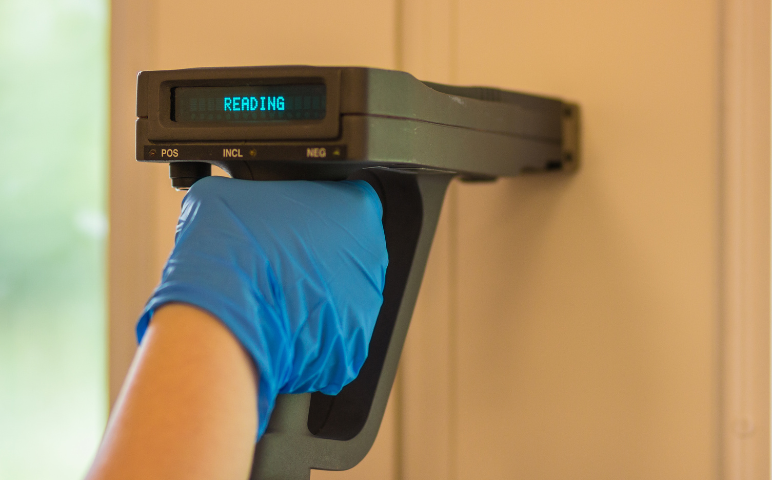
Inspect gently and avoid damaging a sound surface while testing it.
Why the distinction matters
New paint can improve the appearance of damaged wood without restoring its strength. If decay is present, the affected material and source of moisture must be addressed before the surface is repainted. Repeatedly recoating a wet or deteriorated area can waste money and delay necessary repairs.
Common moisture sources
Look for leaking gutters, failed flashing, missing caulk, sprinkler overspray, vegetation against siding and poorly draining joints. Correcting the source is essential to a lasting repair.
What a professional inspection should cover
- Condition and adhesion of existing paint.
- Firmness of wood and extent of deterioration.
- Signs of water entry around windows and trim.
- Needed carpentry or specialist repairs.
- Drying, priming and finish requirements.
Where damage may affect structural components, consult an appropriately qualified repair professional rather than relying on a paint-only solution.
Peeling paint can indicate coating wear or hidden rotten wood.
Why Proper Preparation Matters
A beautiful paint finish begins long before the first coat. Cleaning, repairing, priming and choosing the right products help create smooth, durable results for homes and businesses.

Paint Care:
Long-Term Care
Well-maintained painted surfaces protect your property and keep rooms and exteriors looking their best. Regular inspections help identify small issues before they become costly repairs.
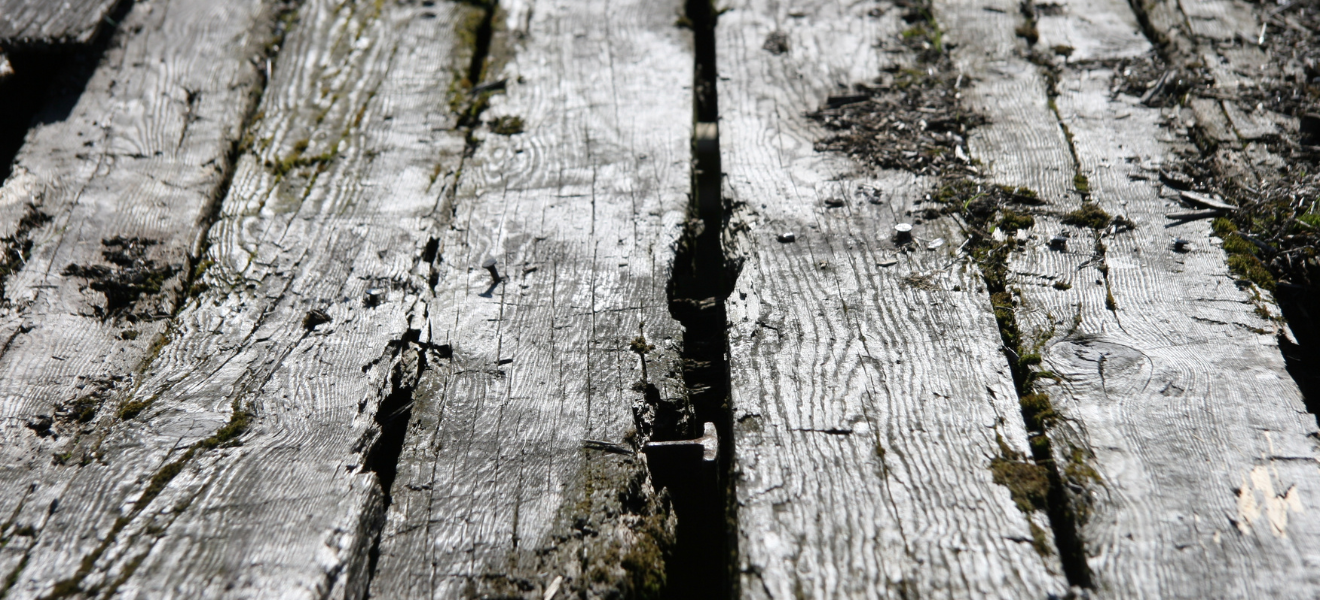
Paint failure and wood rot can look similar from a distance but require different remedies. SISU Painting can help identify coating concerns and coordinate a sound painting approach after necessary repairs are completed.