

How Summer Heat Affects Your Home’s Paint: Common Problems

Oregon summers can be demanding on exterior coatings. Direct sun, high surface temperatures and daily expansion and contraction can cause colors to fade and older paint films to deteriorate. Understanding the early warning signs helps homeowners plan maintenance before damage spreads.
Why heat stresses paint
Paint films contain binders that hold pigments together and allow the coating to adhere. Siding exposed to strong sun can become much hotter than the surrounding air. Repeated heating and cooling stresses the finish, especially on dark-colored surfaces that absorb more energy.
Fading is often the first clue
Ultraviolet light gradually breaks down some pigments and binders. South- and west-facing walls frequently receive the most intense exposure, causing uneven color changes. Fading may be primarily cosmetic at first but can accompany broader coating deterioration.
Why paint peels or cracks
Older coatings may lose flexibility, while moisture entering through cracks or failed joints can push paint away from the substrate. Sprinklers, dew and leaking gutters can contribute even during dry weather. Inspect the source of moisture before repainting.
Blistering and bubbling
Paint applied to a very hot or damp surface can form defects. Bubbles may also indicate moisture trapped beneath existing layers. Proper diagnosis matters because sanding and recoating without addressing the cause may allow the problem to return.
How to reduce summer damage
- Choose exterior coatings appropriate for UV exposure and siding type.
- Repair cracked caulk, damaged wood and loose paint promptly.
- Keep gutters working and redirect sprinkler spray away from walls.
- Wash surfaces gently to remove dirt and buildup.
- Monitor sun-exposed elevations for fading and chalking.
Painting in hot weather
Air temperature alone is not enough to judge conditions. A wall in direct sunlight can exceed the product's permitted surface-temperature range. Experienced crews plan work around shade, forecast conditions, humidity and manufacturer requirements.
When to ask for an assessment
Widespread peeling, repeated blistering, soft trim or visible water damage should prompt an inspection. Spot repairs may be enough for minor defects, but extensive deterioration can indicate a broader repainting need.
Heat and sun affect exterior paint performance.
Why Proper Preparation Matters
A beautiful paint finish begins long before the first coat. Cleaning, repairing, priming and choosing the right products help create smooth, durable results for homes and businesses.

Paint Care:
Long-Term Care
Well-maintained painted surfaces protect your property and keep rooms and exteriors looking their best. Regular inspections help identify small issues before they become costly repairs.
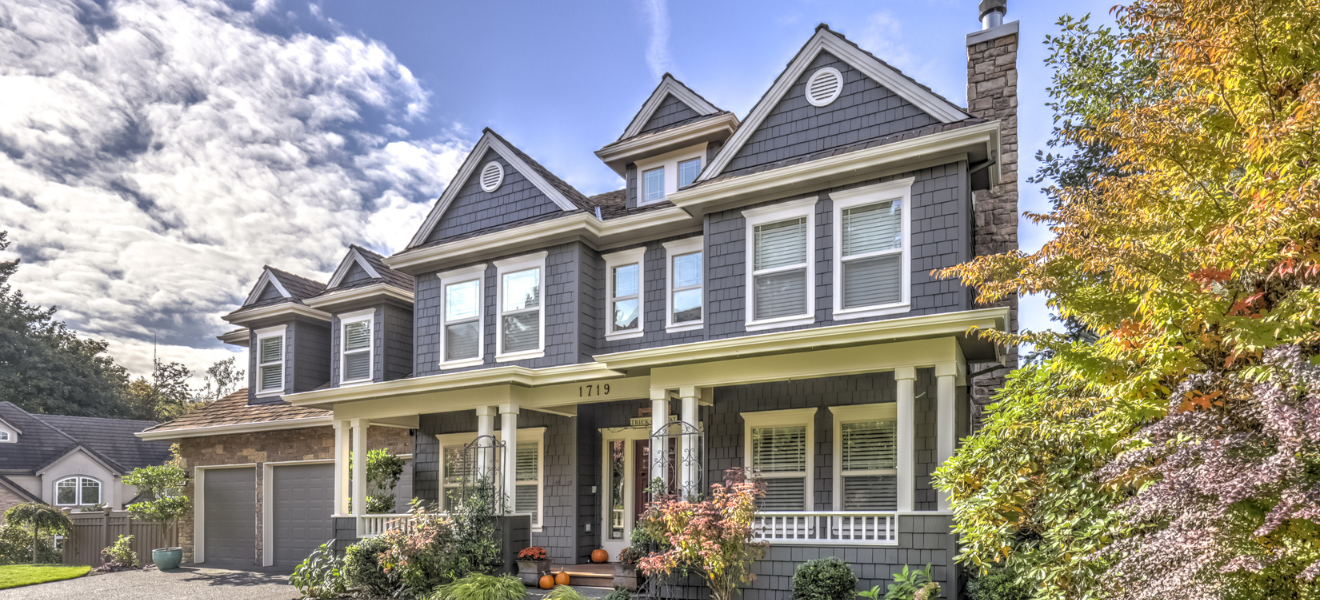
With suitable products, careful scheduling and timely maintenance, homeowners can reduce the effects of summer heat on their exterior finishes. SISU Painting helps Beaverton and Portland homeowners plan durable painting projects.