

Lead Paint: Interior vs. Exterior


Older homes can have lead-based coatings on interior trim, windows, walls and exterior siding. A painting project is an opportunity to identify those risks before sanding or scraping begins. What matters most is how the existing coating will be disturbed and how dust and debris will be contained.
Where lead paint may be found indoors
Homes constructed before 1978 deserve particular attention. Window frames, sashes, door edges, stair rails, baseboards, built-ins and cabinets may have multiple generations of coatings. Sliding or rubbing surfaces can produce fine dust even without an obvious renovation.
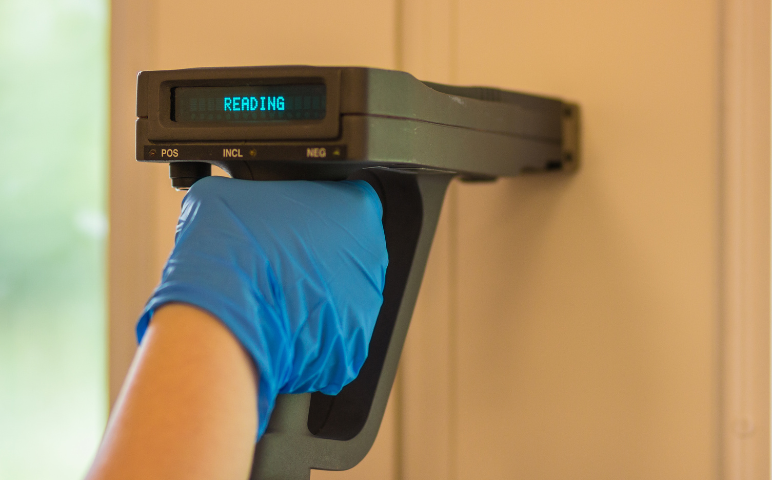
Lead-containing dust is especially concerning inside occupied rooms because it can settle on floors, furniture and personal belongings. A careful contractor assesses the age of the house, existing paint condition and the work required before beginning preparation.
Exterior lead paint presents different risks
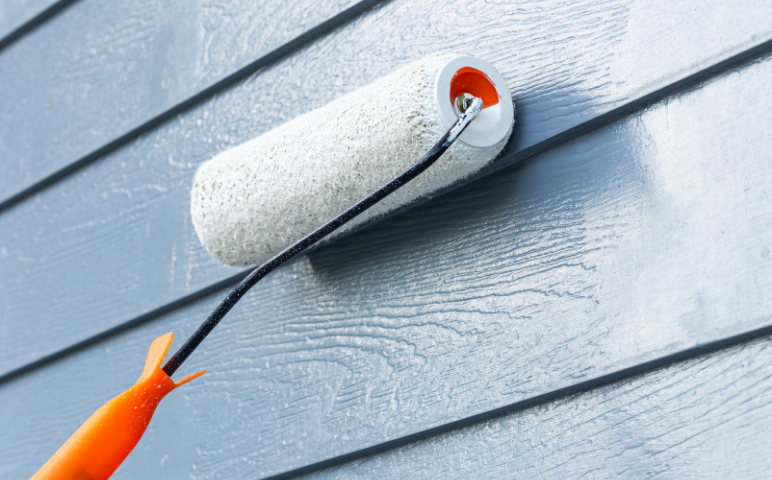
Outside, aging coatings on siding, fascia, eaves and trim may peel or chip after years of sun and rain. Scraping can release fragments into landscaping and soil; wind can carry dust beyond the immediate work zone. Outdoor ventilation does not eliminate the need for containment.
Interior versus exterior work
Indoor projects emphasize isolation of living spaces and preventing dust from spreading. Outdoor projects require attention to ground protection, neighboring areas and the collection of debris. Both require suitable protective equipment, controlled work practices and thorough cleanup.
What responsible preparation involves
- Discuss the home's construction date and any previous renovations.
- Inspect damaged, peeling or friction-prone painted surfaces.
- Determine which activities will disturb existing coatings.
- Use lead-safe containment and dust-minimizing methods.
- Collect and dispose of chips and debris appropriately.
- Clean and verify the work area before it returns to normal use.
Why dry sanding is a concern
Dry sanding can generate large quantities of fine dust. SISU Painting describes using dust-control methods and HEPA-filtered extraction when appropriate rather than dry-sanding lead paint. Simply covering an old surface with new paint does not correct unsafe preparation.
What homeowners should ask
Before work begins, tell the painter if the home predates 1978 or if coatings are deteriorating. Ask how the crew will isolate the work, protect occupants and landscaping, handle dust and complete cleanup. For applicable renovation work, verify the contractor's lead-safe credentials and procedures.
Lead-safe painting requires careful preparation, dust containment and cleanup to protect homes and families.
Why Proper Preparation Matters
A beautiful paint finish begins long before the first coat. Cleaning, repairing, priming and choosing the right products help create smooth, durable results for homes and businesses.

Paint Care:
Long-Term Care
Well-maintained painted surfaces protect your property and keep rooms and exteriors looking their best. Regular inspections help identify small issues before they become costly repairs.

Lead-safe painting is about protecting people as well as preserving a home's finish. SISU Painting serves Portland, Beaverton and nearby communities and encourages homeowners to discuss older coatings before scheduling preparation or repainting.