

The Hidden Water Damage Signs Homeowners Miss Until It’s Too Late


Water damage often starts with subtle changes rather than a dramatic leak. Painted walls, trim and siding can show early clues that moisture is entering where it should not. Recognizing these signs can help homeowners investigate the cause before repairs become extensive.
Why moisture problems are missed
Water can seep through joints, window openings, failed caulk or roofing details slowly over time. Early symptoms may look like normal paint aging, particularly in Oregon's damp climate. Repainting without identifying the source can conceal damage while it continues underneath.
1. Peeling or bubbling paint
Trapped moisture can weaken adhesion and create blisters, flakes or cracks. Pay special attention when damage appears repeatedly in the same small area rather than evenly across a wall.
2. Swollen or distorted trim
Wood absorbs moisture and can swell. Bulging fascia, separated joints, warped window trim or gaps around door casings may indicate ongoing exposure. These changes can develop gradually and be easy to overlook.
3. Stains and discoloration
Yellow, brown or dark marks around windows, rooflines, gutters and exterior trim can signal water movement. Mildew or algae may also appear on persistently damp surfaces, although staining alone does not establish the cause.
4. Soft or crumbling wood
Rot can develop when wood remains wet. If trim feels spongy, flakes apart or no longer holds its shape, the affected material may require repair or replacement before repainting.
5. Cracked caulk and open joints
Gaps at windows, doors and trim can let rainwater penetrate. Inspect sealant condition and the surrounding paint, particularly after severe weather.
6. Musty odors or recurring dampness
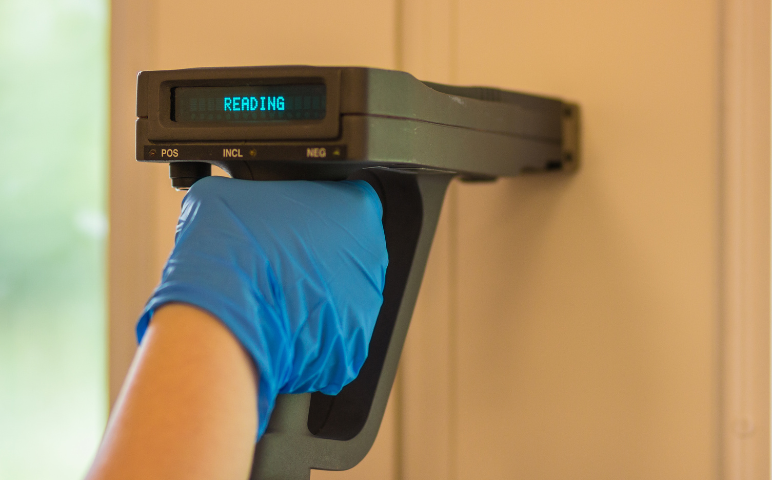
Inside the home, a persistent musty smell, repeated wall staining or damp patches may point to a concealed moisture problem. Professional assessment may be necessary to locate and correct the source.
Where to inspect first
- Window and door frames.
- Roof edges, fascia and soffits.
- Gutters and downspouts.
- Lower siding near landscaping and sprinklers.
- Interior ceilings, bathrooms and plumbing walls.
What to do when you notice a warning sign
Document the area, check for obvious water sources and arrange an appropriate inspection. Repair leaks and damaged materials, then allow surfaces to dry before priming and painting. A fresh coating should be the final protective step, not the first response to active water intrusion.
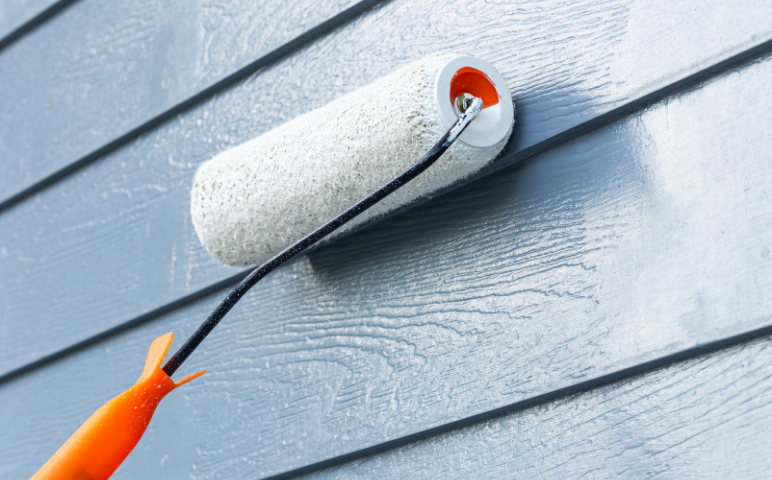
Paint damage may be an early sign of water intrusion.
Why Proper Preparation Matters
A beautiful paint finish begins long before the first coat. Cleaning, repairing, priming and choosing the right products help create smooth, durable results for homes and businesses.

Paint Care:
Long-Term Care
Well-maintained painted surfaces protect your property and keep rooms and exteriors looking their best. Regular inspections help identify small issues before they become costly repairs.

Paint can be an early indicator of hidden moisture. Prompt investigation, necessary repairs and careful repainting can help protect your property. SISU Painting supports homeowners in Portland, Beaverton and surrounding communities with surface preparation and painting guidance.